
富士登山@2026年(令和8年度)
2026/09/06更新
富士山「完全開山」|山頂へ繋がる4つのルートが開通しました
Climbing Mt. Fuji in 2026: What You Need to Know First
Welcome! This site is all about climbing Mt. Fuji, Japan’s highest mountain. Here you’ll find everything you need for a safe and enjoyable climb during the official summer season (roughly July to early September) — trail details, what to pack, and the climbing rules you’ll need to follow in 2026.
Winter climbing on Mt. Fuji is extremely dangerous and should only be attempted by highly experienced alpine climbers with the right winter mountaineering equipment. Conditions are a world away from the summer trails — high winds, ice, deep snow, extreme cold, and very limited rescue access can make the mountain genuinely life-threatening in winter.
A lot of the most detailed Mt. Fuji information out there is only published in Japanese, which can leave climbers from overseas without the full picture.
That’s the gap this site tries to fill — practical, English-language information to help you plan a safe, well-prepared climb to the summit.
Quick Facts About Mt. Fuji
Altitude: 3,776 m (12,388 feet) — the officially confirmed figure from Japan’s Geospatial Information Authority
The Highest Point: Kengamine peak, right on the crater rim
Climbers Each Summer: About 205,000 people climbed above the 8th station in the 2025 season, according to Japan’s Ministry of the Environment — well down from the 300,000+ once seen before entry fees and climbing regulations were introduced
– Mt. Fuji is simply one of the most beautiful mountains you’ll ever climb.
– Thanks to its popularity, the trails are well-maintained and clearly marked.
– Trail signs are posted in multiple languages, and Shizuoka Prefecture provides 2026 climbing information — including through the FUJI NAVI registration system — in several languages, among them English, Chinese, Korean, Thai, Indonesian, and Vietnamese.
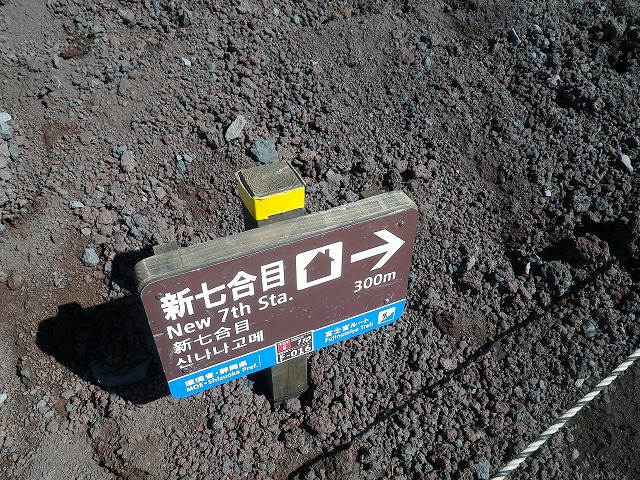
2026 Mt. Fuji Opening Dates and Climbing Season
Mt. Fuji is only open for standard climbing during a short window each year. Outside of that window, huts, toilets, and rescue stations all close down, and the mountain is considered unsafe for anyone but expert winter climbers.
- Yoshida Trail & Subashiri Trail: open July 1 – September 10, 2026
- Fujinomiya Trail & Gotemba Trail: open July 10 – September 10, 2026
- Crater rim walk (お鉢巡り): open from July 10, 2026
Exact opening dates can shift by a few days depending on snowmelt and weather conditions, so it’s worth double-checking the official site close to your trip.
2026 Entry Fee, Gate Hours and Climbing Rules
Since 2024, all four routes have introduced new climbing rules, and it’s well worth knowing them before you go. Here’s what’s in place for the 2026 season.
- Entry fee: ¥4,000 per person, on every route. This used to apply only to the Yoshida trail, but it’s now standard across all four.
- Gate hours: On every route, the trailhead gate closes from 2:00 PM to 3:00 AM. Only climbers with a confirmed mountain hut reservation can pass through during that window — the rule mainly exists to discourage “bullet climbing” (skipping sleep and rushing straight to the summit overnight).
- Yoshida trail cap: A maximum of 4,000 climbers is allowed through the gate each day.
- Shizuoka-side pre-registration: Climbing Fujinomiya, Gotemba, or Subashiri? You’ll need to register in advance through the official “Shizuoka FUJI NAVI” app, complete a short safety e-learning course, and get a QR-code entry pass before setting out. On-the-spot registration is possible too, but it can take around 30 minutes during busy periods.
These rules can shift a little from year to year, so it’s worth double-checking the official Mt. Fuji Climbing site shortly before your trip.
Mt. Fuji Routes Compared: Yoshida, Fujinomiya, Subashiri and Gotemba
There are four main routes to the summit of Mt. Fuji, plus a few lesser-used ones.
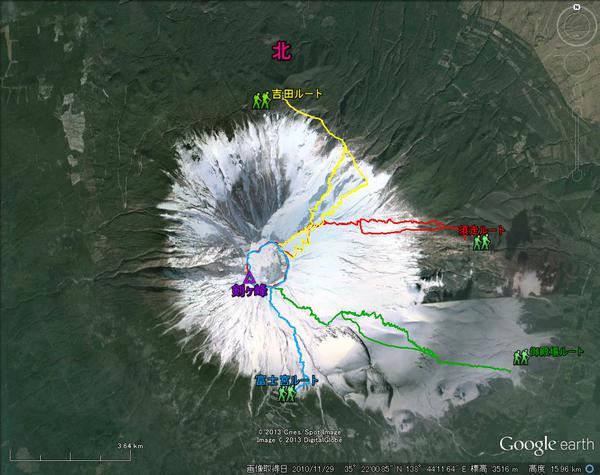
| Comparison of routes for climbing Mt. Fuji | ||||
| Climbing route |
The starting point |
Walking distance | Required Time (excluding breaks) | Mountain huts |
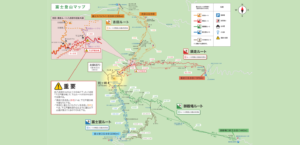
| Yoshida trail (Kawaguchiko trail) (photo: yellow) | 2,305m | Ascent: 6.8km Descent: approx. 7km | Ascent: about 5 to 7 hours Descent: about 3 to 5 hours | 18 |
| Fujinomiya trail (Photo: blue) | 2,400m | Ascent: 4.3km Descent: 4.3km | Ascent: about 5 to 7 hours Descent: about 2 to 5 hours | 9 |
| Subashiri Trail (Photo: red) | 2,000m | Ascent: 6.9km Descent: 6.2km |
Ascent: about 6 hours | 12 |
| Gotemba trail (photo: green) | 1,440m | Ascent: 10.5km Descent: 8.4km | Ascent: about 8 to 9 hours Descent: about 4 hours | 5 |
*As you can see in the table, the altitude of the 5th station is quite different depending on which route you choose.
There’s no strict, official definition of what counts as “the 5th station” on each route — it’s more of a historical convention than a fixed rule.
*One thing to keep in mind: none of these times include rest breaks.
In practice, it’s smart to plan for several extra hours — almost everyone ends up resting longer than expected near the huts.
If you’re timing your climb around sunrise at the summit, budget even more time on top of that.
One common mistake worth flagging: the Yoshida and Subashiri descent trails run together until the 8th station, where they split. Misreading the trail-color signage at that junction (yellow for Yoshida, red for Subashiri) is a frequent cause of climbers ending up at the wrong trailhead — often far from where they parked or booked their return transport.
Which Mt. Fuji Route Should Beginners Choose?
If this is your first time up Mt. Fuji, the Yoshida Trail is the easiest recommendation. It has by far the most mountain huts and rescue stations, separate ascent and descent paths so you’re not fighting oncoming traffic, and the best transport links from Tokyo.
The Fujinomiya Trail is the shortest route to the summit, which works well if you want to minimize walking distance — though it’s steeper and rockier, and the ascent and descent share the same path, which can feel crowded.
The Subashiri Trail is a good middle ground: quieter than Yoshida in the lower sections, with a forested start, and it joins the Yoshida Trail near the 8th station.
The Gotemba Trail is the longest and toughest of the four, with the fewest huts and no first-aid center on the route, so it’s not recommended for first-time climbers. It’s best saved for climbers who already have some Fuji experience under their belt.
A quick word on day trips and “bullet climbing” (弾丸登山): technically it’s possible to climb Mt. Fuji in a single push without staying overnight, but officials strongly discourage it, and the 2026 gate-hour rules exist specifically to cut down on it. Skipping sleep and rushing straight up in the dark is one of the biggest contributors to altitude sickness, exhaustion, and falls. Booking a hut and splitting the climb over two days is the safer choice — and honestly, the more enjoyable one too.
Mountain Huts and Why Reservations Matter
Mountain huts aren’t just a nice-to-have. Under the 2026 gate-hour rules, a confirmed hut reservation is what lets you pass through the trailhead gate between 2:00 PM and 3:00 AM — without one, you’ll need to wait until after 3:00 AM to start climbing.
Huts fill up fast, especially on weekends and around the Obon holiday in mid-August. Many now use online reservation systems, and some require advance payment, so turning up without a reservation and hoping for a free bed is a much riskier bet than it used to be. Booking ahead is strongly recommended.
Book as soon as your dates are confirmed, and keep a backup hut in mind in case your first choice is already full. See our full list of Mt. Fuji mountain huts for details on pricing, capacity, and what each one offers.
Official Mt. Fuji Trail Maps and Apps
- Mt. Fuji Climbing Map [Fuji_Climbing_Map_E.pdf]
- Yoshida Trail Map [Yoshida_Trail_E.pdf]
- Fujinomiya Trail Map [Fujinomiya_Trail_E.pdf]
- Subashiri Trail Map [Subashiri_Trail_E.pdf]
- Gotemba Trail Map [Gotemba_Trail_E.pdf]
Beyond paper maps, the official “Shizuoka FUJI NAVI” app doubles as a real-time companion on the mountain, with weather push notifications and a map that shows your current position and altitude.
Weather, Altitude Sickness and Safety Risks
Compared to alpine peaks overseas, Mt. Fuji isn’t especially tall at 3,776m (12,388 feet).
But plenty of visitors from overseas still show up under-equipped for it, and that’s where trouble tends to start.
When the weather turns, conditions near the summit can get serious fast.
The three things that catch climbers off guard most are driving rain, powerful wind, and lightning.
Above the tree line there’s nothing to block the wind, so rain tends to come in almost sideways.
Subashiri trail near the 7th station, in 2010
Subashiri trail near the 8th station, in 2011
As you can see in the clips above, the rain comes in almost parallel to the slope.
That kind of slanting rain drives straight into your eyes and can cut your visibility down to almost nothing.
Strong wind chills you fast, and hypothermia can set in quicker than people expect — even in the middle of summer.
Lightning is genuinely dangerous up here, since there’s very little cover once you’re above the tree line.
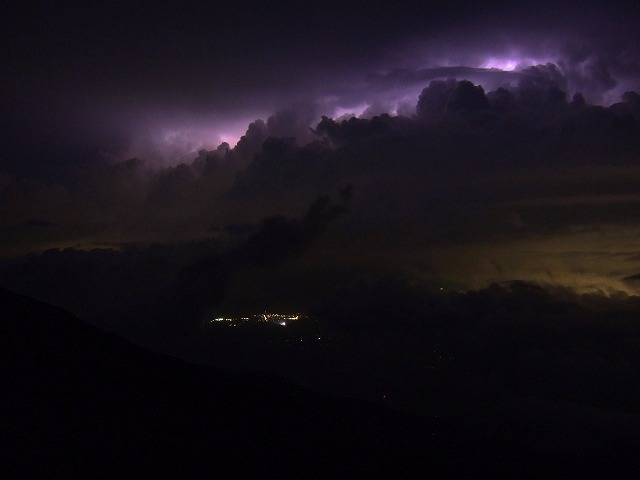
A photo of lightning visible from Mt. Fuji
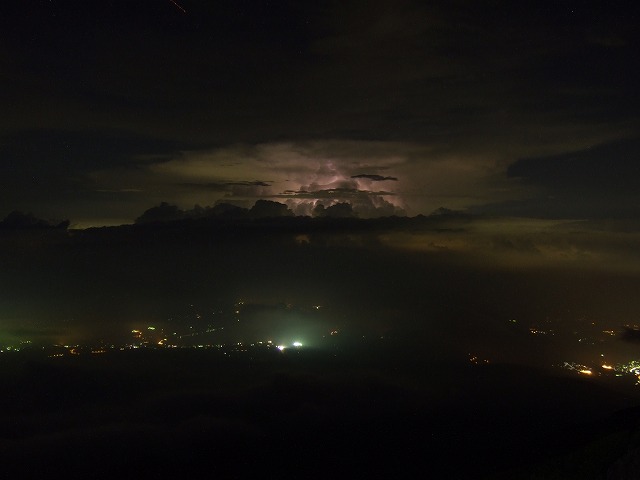
Another photo of lightning visible from Mt. Fuji
If you hear thunder or see lightning, get low and head straight for the nearest hut — lightning strikes have caused fatalities on Mt. Fuji in the past, so this isn’t a rule to shrug off.
⚡ A quick reality check
Japan’s meteorological agency logs a meaningful number of lightning strikes around Mt. Fuji’s upper slopes in a typical summer, and the exposed ridge near the crater offers almost nowhere to hide.
That’s exactly why mountain huts double as emergency shelters — ducking into the nearest one the moment thunder starts is standard practice for guides on the mountain.
If you’re caught out in the open with nowhere to shelter, crouch low, keep your body close to the ground, and stay away from trekking poles or other metal gear until it passes.
It sounds dramatic, but it’s a routine safety habit for anyone climbing an exposed volcanic peak — not just Mt. Fuji.
Lightning itself isn’t an everyday occurrence, but strong wind and heavy rain are far more common than people expect.
Altitude sickness is just as common a concern as bad weather. The simplest prevention is to slow down: rest for 30–60 minutes at the 5th station before you start, drink water regularly as you climb, and if you get a headache or feel nauseous higher up, the best move is to stop ascending — and to head back down if it doesn’t improve.
That’s exactly why checking the forecast before you set out matters so much.
When the weather turns bad, it takes real courage to turn around instead of pushing on — and that’s completely okay. (I’ve personally had to give up on reaching the summit myself, when strong wind was shaking my whole body and heavy rain had cut visibility down to almost nothing.)
Being under-prepared is still one of the biggest reasons climbers from overseas run into trouble on Mt. Fuji.
Safety on the Mountain: What the Numbers Tell Us
Here’s an honest look at what actually goes wrong on Mt. Fuji each summer, based on official 2025-season reporting.
Every summer, mountain huts and rescue teams respond to real emergencies on Mt. Fuji — and being upfront about that is part of preparing well, not a reason to be scared off.
According to Japan’s Ministry of the Environment, the three most common problems climbers run into are altitude sickness, falls and other physical injuries, and hypothermia — and yes, temperatures near the summit can drop below freezing even in the height of summer.
“Bullet climbing” (弾丸登山) — skipping sleep entirely and rushing straight from the 5th station to the summit overnight — is repeatedly flagged by officials as one of the biggest risk factors, which is a big part of why the 2026 gate-hour rules exist in the first place.
Climbers from overseas are involved in a meaningful share of rescues each year, often tied to light clothing, no headlamp, or a schedule that leaves no room for bad weather.
None of this means Mt. Fuji is unusually dangerous. It means the mountain deserves the same respect you’d give any peak of comparable altitude — and the good news is that solid preparation prevents almost all of these problems.
These are the big-picture patterns — plenty of smaller close calls go unreported every season.
Having an accident in an unfamiliar country is stressful enough without a language barrier on top of it.
Which is exactly why doing your homework beforehand really does pay off!
Final Checklist Before Climbing Mt. Fuji
A quick rundown before you head to the 5th station:
- Entry fee paid and pre-registration completed (FUJI NAVI for Shizuoka-side routes)
- Mountain hut booked, especially if you’ll be on the trail between 2:00 PM and 3:00 AM
- Warm layers, plus a separate rain jacket and rain pants
- Sturdy, broken-in hiking boots
- Headlamp with spare batteries
- 1.5–2 liters of water and some high-energy snacks
- Cash and a charged phone
- Checked the weather forecast the morning of your climb
None of this is complicated, but skipping even one or two of these is where most of the trouble on Mt. Fuji actually starts. For the full breakdown, see our complete Mt. Fuji gear and packing list and our guide to altitude sickness prevention.
FAQ: Climbing Mt. Fuji in 2026
How much does it cost to climb Mt. Fuji in 2026?
The climbing fee is ¥4,000 per person, and it now applies on all four main routes.
Can I climb Mt. Fuji without a mountain hut reservation?
Yes, but you won’t be able to pass through the trailhead gate between 2:00 PM and 3:00 AM unless you have a confirmed mountain hut reservation.
Which Mt. Fuji route is best for beginners?
The Yoshida Trail is usually the best choice for first-time climbers, since it has the most mountain huts, the most rescue support, and the best transport options from Tokyo.
Can I climb Mt. Fuji in one day?
It’s technically possible, but officials strongly discourage “bullet climbing.” Booking a mountain hut and splitting the climb over two days is the safer option.
When does Mt. Fuji open in 2026?
The Yoshida and Subashiri trails open on July 1, while the Fujinomiya and Gotemba trails, plus the crater rim walk, open on July 10.
A Message From One Climber to Another
Check the forecast, pack the right gear, and Mt. Fuji is a genuinely enjoyable climb.
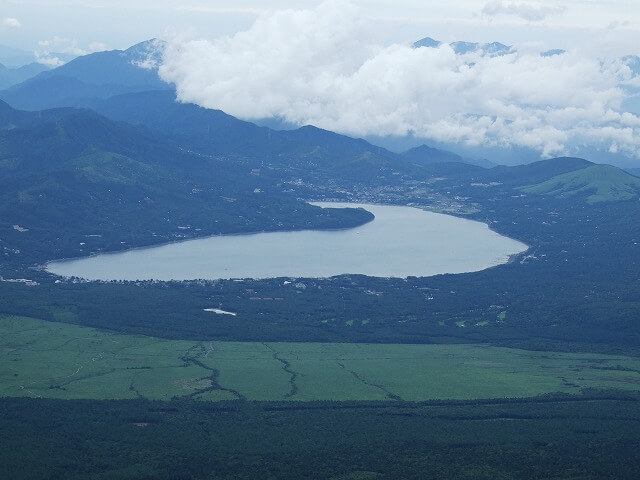
The view from a point near the summit of Mt. Fuji
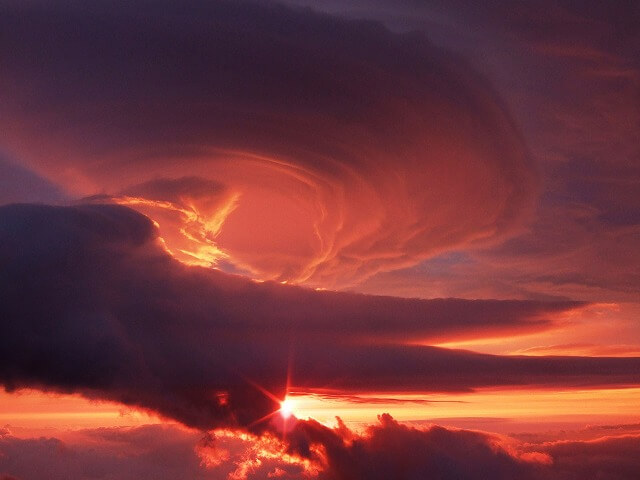
Magnificent scenery
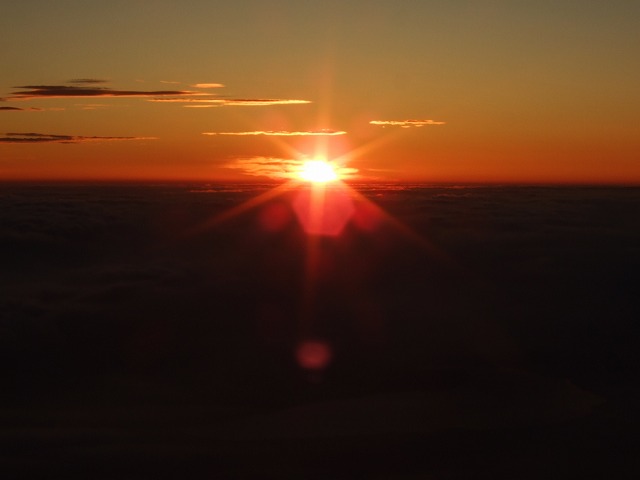
Sunrise from a point near the summit of Mt. Fuji
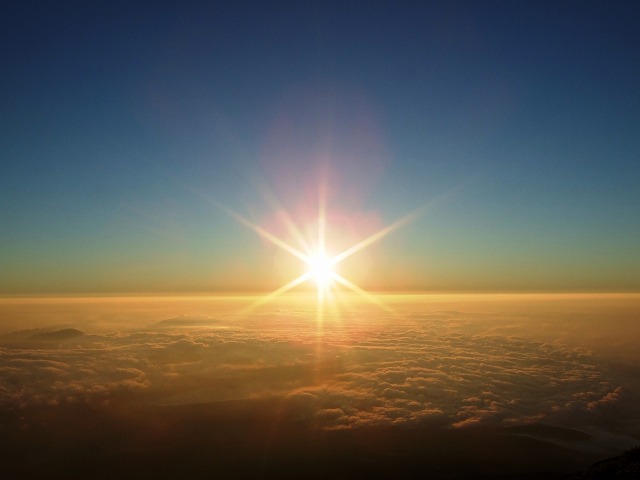
Sunrise from a point near the summit of Mt. Fuji
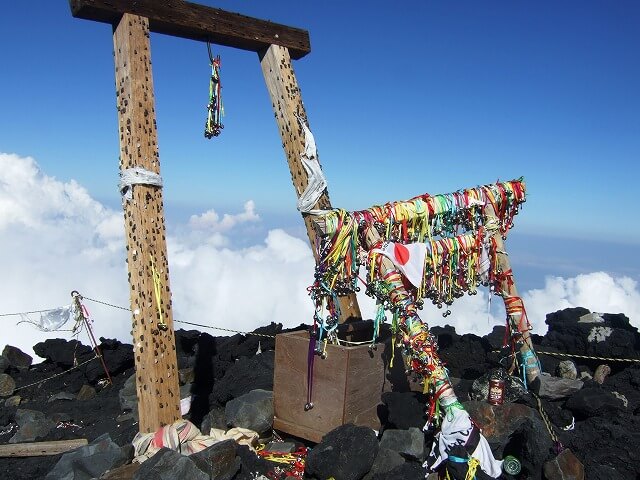
A shrine gate at Mt. Fuji
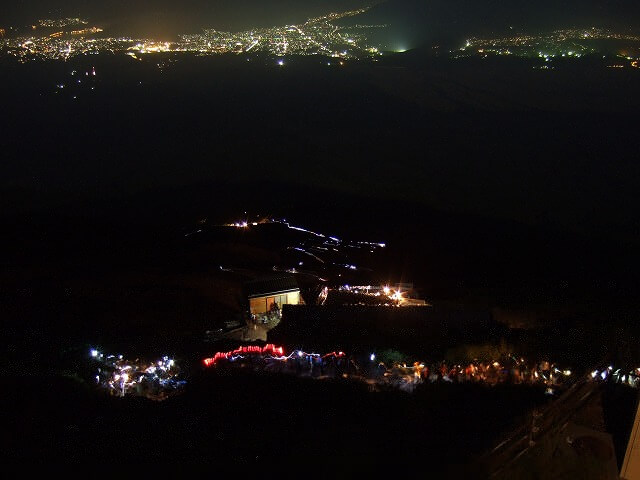
Climbing Mt. Fuji at night
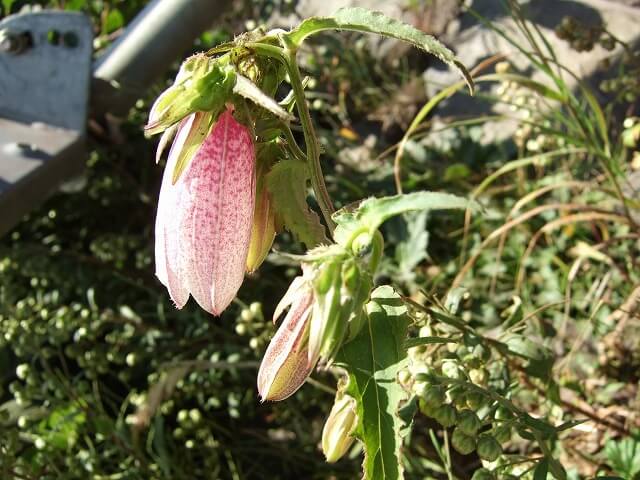
Alpine plants of Mt. Fuji
The views from up there are honestly hard to put into words! ! !
I sincerely hope you get to enjoy a safe, memorable climb of Mt. Fuji! !
If you want to see this website in other languages ⇒ click here!!! (Please choose a language!)
P.S
It would make me really happy if this website could be read by many people.
If you find it useful, sharing it with fellow climbers — on your blog, social media, or anywhere else — would mean a lot.
About the Author
Written by Masaki T., who has been climbing Mt. Fuji since 2007 and has reached the summit 22 times. He spent about four years working at one of the largest outdoor gear shops in the greater Tokyo area, where he advised Mt. Fuji climbers at the counter more than 100 times, and he still climbs the mountain roughly once a month today. The gear recommendations, altitude sickness advice, and on-trail tips throughout this site are drawn from that hands-on experience.

? をタップすると各アイテムの解説が表示されます
- ◎着替え
- ◎予備電池
- △水筒
- △防水スタッフバック
- ○腕時計
- 必須飲み物・水分
- 必須行動食・食事
- ○ファーストエイド
- ◎常備薬
- ◎洗面用具
- ◎携帯電話
- ○酸素缶
こちらの記事もよく読まれています
富士登山の全体像

装備・持ち物


登山装備レンタル

登山ルート

高山病

天気

アクセス

コメント